Old Destroyed Typewriter: Adding Grit and Authenticity to Your Designs
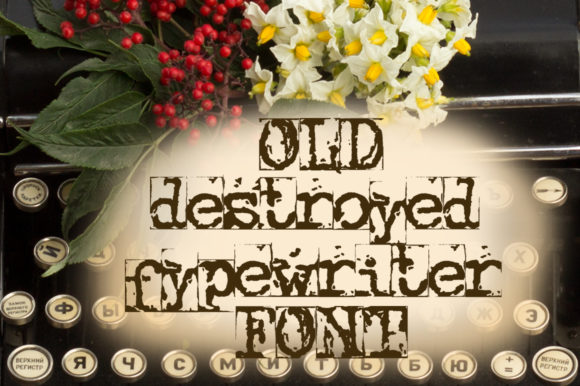
In a digital world saturated with sleek, perfect vectors, there's a growing appreciation for textures that tell a story. The Old Destroyed Typewriter font is a cool and rough textured display font that captures this aesthetic perfectly. It brings an immediate sense of history, rawness, and authenticity to any project, making it an incredibly versatile asset for designers looking to add a tactile, organic feel to their work.
Why This Texture Matters in Modern Design
Modern graphic design often balances clean minimalism with expressive elements that create emotional connections. Typography is a primary vehicle for this expression. A distressed font like Old Destroyed Typewriter communicates more than just words; it conveys mood, era, and attitude. It can evoke nostalgia, suggest a DIY punk ethos, hint at industrial decay, or simply provide a striking contrast to smooth, contemporary layouts. This makes it a powerful tool for visual communication and brand storytelling.
Practical Applications for Maximum Impact
The true value of a creative asset lies in its application. This font's rough, textured character makes it suitable for a wide range of projects where you need to make a bold, gritty statement. Consider its use in these contexts:
- Branding and Logo Design: Perfect for brands in music, artisanal goods, outdoor adventure, or any niche that values authenticity and a handcrafted feel. It can establish a memorable and distinct brand identity.
- Marketing Materials: Create impactful posters, flyers, and digital ads that cut through the noise. The textured letters grab attention and are ideal for headlines and calls-to-action.
- Social Media Content: Design eye-catching graphics for Instagram, Twitter, and Facebook that stand out in a feed. Use it for quotes, announcements, or series titles to build a cohesive visual style.
- Website and UI Design: Use it sparingly for hero text, section headers, or decorative elements to add character and break the monotony of standard web-safe fonts. Ensure it's paired with a highly legible body font.
- Editorial and Packaging Design: Add a vintage or industrial touch to magazine layouts, book covers, or product packaging. It works exceptionally well for labels on craft beverages, artisanal foods, or vinyl records.
Tips for Effective Implementation
Integrating a distinctive font like Old Destroyed Typewriter requires thoughtful application to maintain professionalism and clarity. Keep these principles in mind:
- Prioritize Readability: Use it primarily for short, impactful text—headlines, logos, or single words. Avoid using it for long paragraphs or small body copy where legibility is crucial.
- Establish Visual Hierarchy: Let it be the star. Pair it with clean, simple sans-serif or serif fonts for supporting text. This contrast creates a clear hierarchy and prevents visual chaos.
- Consider Your Audience: Ensure the gritty aesthetic aligns with your target audience's expectations and your brand's overall message. It may not suit a corporate financial report but could be perfect for a music festival.
- Test Scalability: Check how the texture renders at different sizes, especially in digital formats. What looks great on a large poster may become muddy on a small mobile screen.
- Maintain Consistency: If you adopt this style, use it consistently across your brand's touchpoints to build recognition. Integrate it with a complementary color palette and imagery style.
Ultimately, the most effective designs are built on intentional choices. Selecting a creative asset like Old Destroyed Typewriter isn't just about picking a cool font; it's about choosing a tool that enhances your message, strengthens your brand's voice, and connects with your audience on an emotional level. By thoughtfully integrating quality typography and textures, you elevate your work from mere communication to compelling visual storytelling, ensuring your projects are not only seen but truly felt.