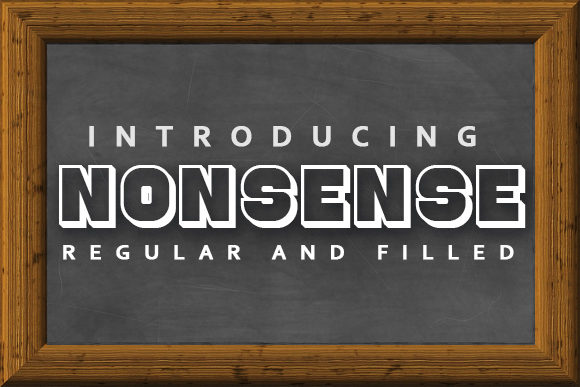
Nonsense: A Dynamic 3D Display Font for Creative Impact
Imagine a typeface that immediately commands attention, adding a tangible sense of depth and energy to your visual work. That's the power of Nonsense, an awesome 3D display font designed to inject a bold, contemporary aesthetic into your projects. For designers, marketers, and creators seeking to break away from flat, conventional typography, Nonsense offers a vibrant solution. It’s a creative asset built for impact, turning ordinary headlines into standout focal points and transforming standard text into a piece of visual design itself.
The Role of Dynamic Typography in Modern Design
In today's saturated digital landscape, capturing and holding user attention is paramount. Typography is a cornerstone of visual hierarchy and brand identity, and choosing the right typeface can dramatically alter the perception of your message. While clean sans-serifs and elegant serifs have their place, a display font like Nonsense serves a different, crucial purpose. Its three-dimensional qualities create an immediate visual hook, making it perfect for applications where you need to convey innovation, fun, or a cutting-edge modern aesthetic. This style of typography directly contributes to stronger visual communication, helping your design stand out in a crowded social media feed or on a competitive shelf.
Practical Applications for Maximum Visual Impact
The versatility of a well-crafted display font allows it to be adapted across numerous creative projects. Nonsense is not just a novelty; it's a functional tool for specific design goals. Consider its use in the following areas to enhance engagement and professionalism.
- Branding and Logo Design: Use Nonsense for a primary logotype or a secondary brand mark to establish a memorable, modern identity. It’s particularly effective for brands in entertainment, tech, gaming, or youth-focused markets.
- Marketing and Advertising: Create scroll-stopping social media graphics, email headers, and digital ads. Its dimensional quality adds depth to flat screens, making promotional content more engaging.
- Web and UI Design: Apply it strategically for hero section headlines, call-to-action buttons, or feature highlights to guide the user's eye and create a dynamic user experience.
- Packaging and Merchandise: Elevate product packaging for items like apparel, posters, or digital goods. The font's bold presence ensures your product name is noticed and remembered.
- Editorial and Presentation Design: Break the monotony of long-form text by using Nonsense for chapter titles, section headers, or presentation slide titles to maintain audience interest.
Integrating Bold Fonts into Your Design Workflow
Adopting a striking typeface like Nonsense requires thoughtful integration to ensure it complements rather than overwhelms your overall design. The key is balance and intentionality. Always consider your audience and the project's core message. A playful, 3D font may not suit a formal corporate report but could be perfect for a music festival poster or a mobile app launch.
When pairing Nonsense with other typefaces, opt for simplicity. A clean, neutral sans-serif or a readable serif for body text will provide a visual rest for the eyes, allowing the display font to shine without causing visual fatigue. Pay close attention to your color palette; a bold font pairs well with strong, contrasting colors or can be used in a monochromatic scheme for a sophisticated, modern look. Finally, test for readability at various scales, especially for digital applications where screen sizes vary. The goal is to enhance your message, not obscure it.
Thoughtful design is about making strategic choices that align form with function. Investing in high-quality, versatile creative assets like Nonsense empowers you to push creative boundaries while maintaining a professional presentation. By understanding how to leverage such tools effectively, you can elevate the aesthetic quality of your work, strengthen brand communication, and ultimately create more impactful and memorable visual experiences for your audience.